
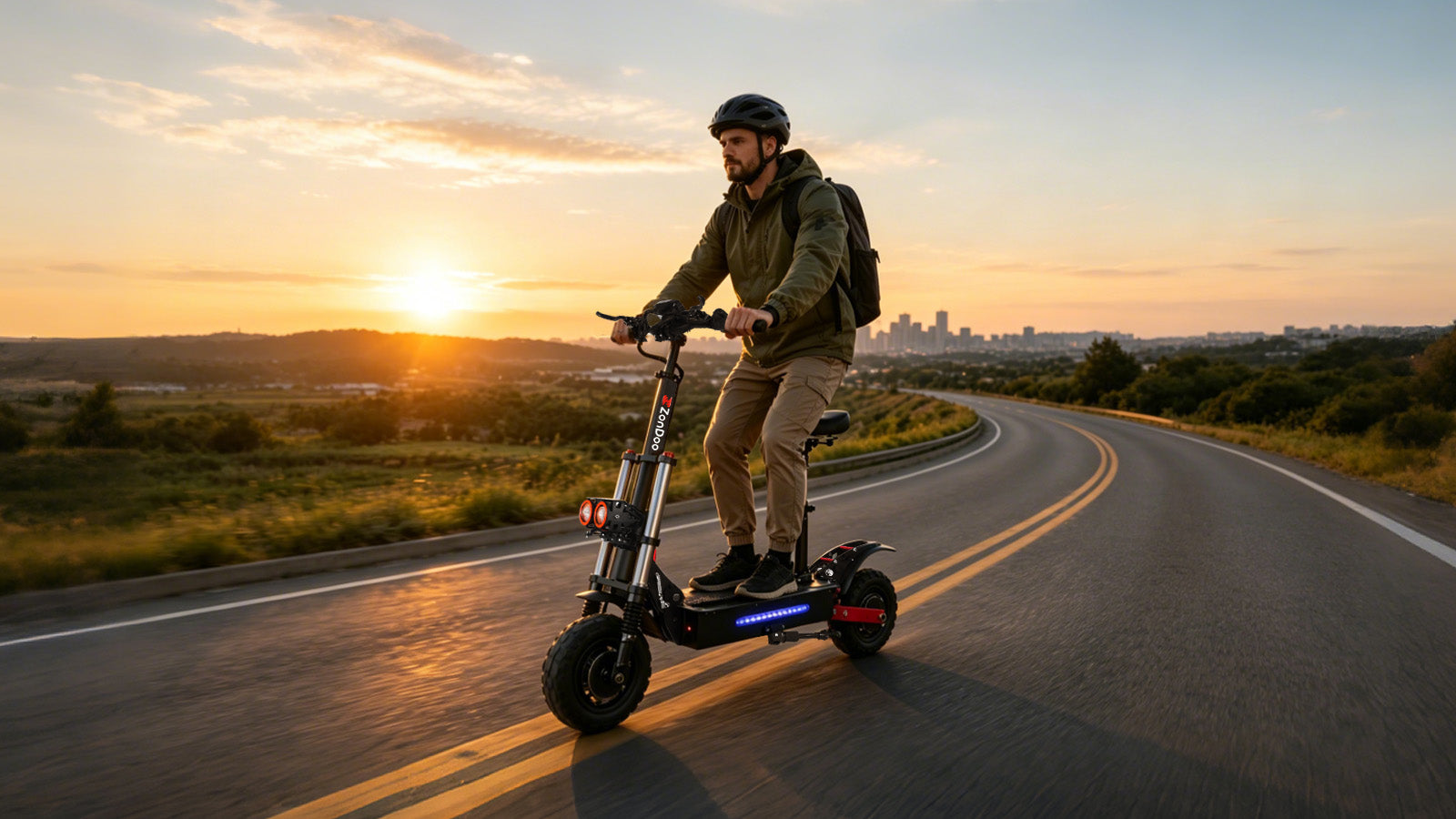
Electric scooters have become one of the most popular, convenient, and cost-effective modes of daily transportation for urban commuters, casual riders, and speed enthusiasts alike. Whether you use your e-scooter for short daily trips to work, long-distance city cruising, or high-speed recreational riding, one component plays the most critical role in protecting your safety: your brake pads. While most riders focus on battery life, top speed, and tire condition, brake pads are often neglected until severe issues or dangerous failures occur.
As a core wearable part of disc brake systems, brake pads endure constant friction, high temperature, and daily wear during every ride. Over time, their friction material gradually wears thin, leading to reduced braking performance, unstable control, and even potential traffic accidents. Many novice riders ignore early warning signs and continue riding with worn brake pads, which not only endangers personal safety but also causes secondary damage to expensive brake rotors and wheel components, resulting in higher maintenance costs. Today, we will break down all the obvious and hidden signs that your e-scooter’s brake pads need replacement, explain the risks of delayed replacement, and share professional maintenance tips to extend the service life of your brake pads.
How Do E-Scooter Brake Pads Work?
Before understanding replacement signs, it is essential to know how your scooter’s brake system works. Most high-performance and daily commuter electric scooters on the market are equipped with hydraulic or mechanical disc brake systems. The brake pads are installed on both sides of the brake rotor. When you squeeze the brake lever, the brake caliper pushes the brake pads to clamp the rotating brake rotor. The strong friction generated between the pads and the rotor slows down the wheel rotation and finally stops the scooter.
The working surface of the brake pads is made of high-friction wear-resistant material, while the bottom is a rigid metal backing plate. Only the friction layer participates in braking and wears out gradually during use. Once the friction material is completely worn away, the metal backing plate will directly contact the brake rotor, causing irreversible damage. This is why regular inspection and timely replacement of brake pads are indispensable for every e-scooter rider.
Clear Warning Signs Your Brake Pads Need Immediate Replacement
Brake pads will never fail suddenly without any hints. They will send out various early warning signals during the wear process. As long as you pay attention to your riding experience and the scooter’s operating state, you can easily judge the wear degree of the brake pads.
1. Squealing, Screeching or Metal Grinding Noises While Braking
Abnormal noise is the most intuitive and common warning sign of worn brake pads. Most regular e-scooter brake pads are designed with a built-in wear indicator. When the friction material wears down to the critical thickness limit, the indicator will contact the brake rotor and produce a sharp, high-pitched squealing sound every time you brake. This is a friendly reminder that your brake pads are nearing the end of their service life and need to be replaced as soon as possible.
If you ignore the squealing sound and continue riding, the friction material will be completely worn out, and you will hear a harsh metal-on-metal grinding noise. This means the metal backing plate is directly rubbing against the brake rotor. This situation is extremely dangerous! Continuous riding will scratch, dent, warp or even crack the brake rotor. Replacing a brake rotor costs far more than a set of brake pads, and the damaged rotor will also affect the braking stability of the new pads after replacement.
2. Significantly Longer Stopping Distance
Have you ever noticed that your scooter can no longer stop quickly even when you pull the brake lever tightly? If your scooter takes a longer distance to come to a complete stop than usual, especially when braking at high speeds or on downhill roads, this is a typical sign of severely worn brake pads.
The thinning of the friction material reduces the friction force between the brake pads and the rotor. The braking sensitivity decreases obviously, and the braking response becomes laggy. In emergency situations, the extended stopping distance may lead to collisions with vehicles, pedestrians or road obstacles. For riders who often commute on busy city roads or ride at high speeds, this hidden danger is fatal and must be solved immediately.
3. Spongy, Loose or Unstable Brake Lever Feel
A normal brake lever should have firm and sensitive resistance. When you hold the brake lever, you can feel stable braking feedback. If you find that the brake lever becomes abnormally soft, the stroke becomes longer, or the resistance is weak and floating, worn brake pads are one of the main causes.
As the brake pads wear thin, the caliper needs to push the pads further to contact the rotor, resulting in an increased brake lever stroke. Although air entering the brake pipeline or insufficient brake fluid can also cause similar problems, visual inspection of brake pad thickness should be the first step of troubleshooting. If your brake fluid is sufficient and the pipeline is normal, worn brake pads are definitely the culprit.
4. Visually Thin Brake Pad Thickness
You don’t need professional tools or disassembly to check your brake pads. You can easily observe the brake pad state through the gap of the brake caliper in daily maintenance. The standard thickness of the new brake pad friction layer is about 8-10mm. When the friction layer is worn down to less than 2mm, it has reached the mandatory replacement standard.
If you can see that the friction material is almost worn out, the metal backing plate is close to the rotor, or the two sides of the brake pads are unevenly worn, please replace the pads immediately. Uneven wear will lead to unbalanced braking force on the left and right wheels, causing the scooter to deviate when braking, which seriously affects riding stability.
5. Burning Metallic Odor and Brake Overheating
After continuous braking, long downhill riding or frequent high-intensity braking, if there is a strong burning metallic smell from the wheel and brake area, it indicates that the brake pads are severely overworn and overheated. Worn brake pads will generate excessive friction heat during braking. The high temperature will burn the residual friction material, produce peculiar smell, and even cause thermal decay of the brake system.
Long-term high-temperature operation will accelerate the aging and wear of brake pads, warp the brake rotor due to heat, and even cause temporary brake failure, which is extremely dangerous for high-speed riding and downhill braking.

Severe Risks of Delaying Brake Pad Replacement
Many riders think that minor brake wear will not affect normal riding and choose to delay replacement. In fact, delaying brake pad replacement will bring multiple safety risks and economic losses.
First of all, personal safety hazards. Worn brake pads lead to reduced braking performance and prolonged stopping distance. In complex road conditions such as traffic jams, pedestrian crossings, and downhill roads, insufficient braking force is very likely to cause traffic accidents.
Secondly, increased maintenance costs. A set of brand-new brake pads is cheap and easy to replace. However, long-term use of worn pads will scratch and deform the brake rotor. Replacing a damaged brake rotor requires more parts cost and manual maintenance fees, which is completely unnecessary extra expense.
In addition, severe brake wear will also affect the riding experience. Unbalanced braking force will cause the scooter to shake and deviate when braking, and abnormal noise and vibration will make your daily riding extremely uncomfortable.
Professional Tips to Extend Brake Pad Service Life
Timely replacement is important, but daily scientific maintenance can effectively delay the wear speed of brake pads, reduce maintenance frequency, and save your time and cost.
1. Avoid continuous hard braking: Do not keep squeezing the brake lever for a long time when riding downhill or decelerating continuously. Use intermittent point braking to reduce continuous friction and high temperature of brake pads.
2. Keep the brake system clean: Regularly clean the dust, sediment and dirt on the brake pads and rotors. Do not let oil, grease or corrosive liquid adhere to the friction surface, which will cause reduced braking force and accelerated wear.
3. Regularly inspect brake status: It is recommended to check the brake pad thickness and braking status every 2 to 4 weeks. For riders who ride daily or in dusty, rainy and hilly areas, the inspection frequency should be increased appropriately.
4. Replace brake pads in pairs: Always replace the brake pads of the same wheel in pairs to ensure balanced braking force on both sides and avoid riding deviation and unstable braking.
5. Avoid overloading riding: Overloading will increase the braking burden of the scooter, lead to more frequent and intense braking, and greatly accelerate the wear of brake pads.
Final Conclusion
The speed, battery range and appearance of electric scooters are what attract riders the most, but the brake system is the core guarantee for every safe ride. Brake pads are small and inexpensive parts, but they bear the safety of your entire riding process. Every abnormal noise, delayed braking, and soft brake feel is a warning from your scooter.
Never take worn brake pads lightly, and never wait until metal grinding or brake failure occurs to replace them. Regular inspection, timely replacement, and scientific daily maintenance can not only extend the service life of your scooter’s brake system, but also avoid unnecessary safety accidents and extra maintenance costs. Always keep your brake system in the best condition to enjoy every safe and smooth ride!
Share:
High-Power Scooter Maintenance Checklist: Prevent Motor & Controller Burnout
Is the ZO03 the Right High‑Performance E‑Scooter for You?